Field Operations
Expertise is proven in the field. These missions show how Dr. Gil's combat-proven methods solved complex, real-world security challenges around the globe.

Wildlife Protection Against Poaching
In the late 1980s, Dr. Itay Gil was recruited to Kenya to establish anti-poaching military units. Rhinos, elephants, and big cats faced heavy attacks from organized poaching groups. The mission was to train units in jungle tactics, tracking analysis, and covert surveillance. Through enhanced tactical leadership and logistics, thousands of rare wild animals were successfully saved from being poached.
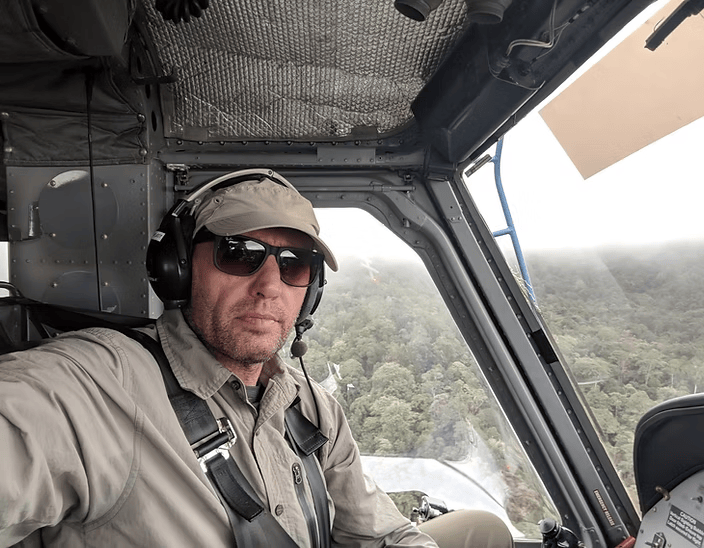
Mediation & Crisis Assessment in Tribal Conflicts
The government of Papua New Guinea commissioned Dr. Gil to conduct a security and risk analysis of the ongoing, violent conflicts among hundreds of small jungle tribes. The logistical hurdles of the remote territories and linguistic diversity presented massive challenges. The resulting concept proposed building an inclusive, cross-tribal peace unit to preventatively minimize confrontations. A long-term project demonstrating the importance of detailed crisis analysis.
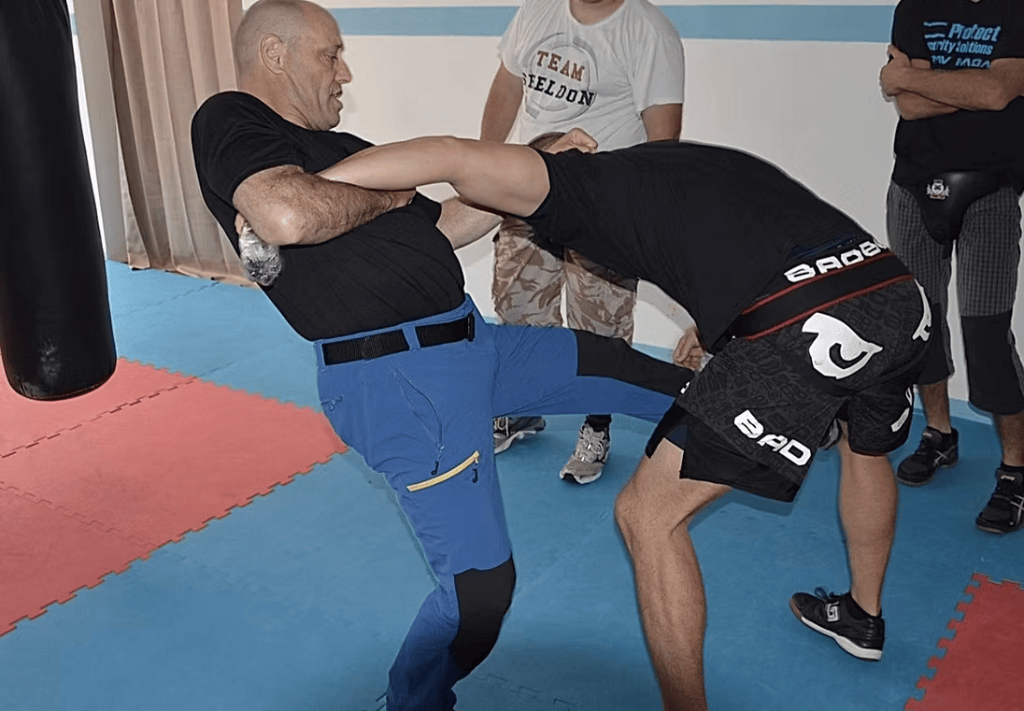
Close-Quarters Combat Training for Diplomatic Flight Protection
The New Zealand Diplomatic Protection Service (responsible for the Prime Minister) faced a massive challenge: during international travels, carrying firearms on board is often prohibited, reducing protection to a single unarmed officer. Dr. Gil developed a specialized close-quarters combat methodology for extremely confined spaces (aircraft cabin / fuselage). Under real pressure and stress, unarmed defensive techniques against knives, bottles, and multiple attackers at 30,000 feet were trained and successfully established.
Need This Expertise for Your Organisation?
From government operational consulting to close-protection training — Protect Security Solutions brings Dr. Gil's field experience to your team.
Already an experienced instructor? Make it official.
Earn an official diploma from a state-licensed provider for the skills you already have — personally reviewed by Lt. Col. Dr. Itay Gil.